As fall sets in and the temperatures start to dip, Kentucky pool owners know that the first hard freeze is never far behind. Taking the time now to properly winterize your above-ground pool or semi-in-ground pool will protect your investment, save you money on spring repairs, and ensure an easy opening when warm weather returns.
When does the first freeze typically hit Central Kentucky?
Central Kentucky’s first hard freeze usually occurs between late October and early November, though occasional cold snaps can arrive as early as mid-October. The National Weather Service notes that average first-freeze dates for the Elizabethtown area fall around October 20–28. With Kentucky’s unpredictable fall weather, it’s best to start your winterization process in early to mid-October—or as soon as nighttime lows consistently drop into the upper 30s.
Step-by-step winterization for above-ground and semi-in-ground pools
1. Clean and balance the water
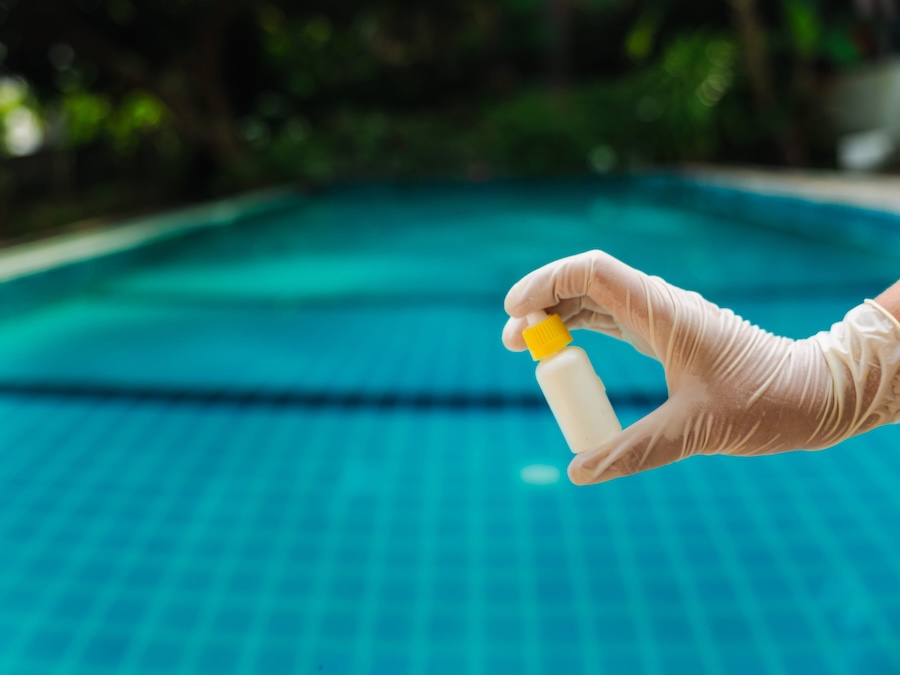
Start by vacuuming debris, brushing walls, and skimming the surface. Test the water and adjust pH (7.2–7.6), total alkalinity, and calcium hardness to recommended levels. Balanced water helps protect your liner and equipment during the long winter months.
2. Shock and add winter chemicals
Add a chlorine shock or a non-chlorine oxidizer to kill lingering bacteria and algae. Follow up with a quality winterizing chemical kit containing algaecide and a stain-preventer. Run the pump for several hours to fully circulate the chemicals.
3. Lower the water level
For most above-ground pools, drain water so it sits just below the skimmer opening—usually 4–6 inches below the return jet. This prevents freeze expansion from damaging the skimmer or plumbing. For semi-in-ground pools, follow manufacturer recommendations for optimal water level.
4. Drain and protect equipment
Remove hoses, skimmer baskets, return fittings, and ladders. Drain and blow out all plumbing lines to prevent ice damage, then plug them with winterizing plugs. Store the pump, filter, and accessories in a dry location if possible, or ensure they’re fully drained if left outside.
5. Install the winter cover
A high-quality winter pool cover is your best defense against debris, algae growth, and freeze damage. Secure the cover tightly with a cable and winch system or water bags to prevent wind from lifting it. A properly fitted cover also keeps out sunlight, which discourages algae during warmer winter spells.
6. Add an air pillow
Place an air pillow under the cover at the center of the pool to absorb ice expansion and protect the walls. This is especially important for above-ground pools to reduce pressure on the liner and frame.
Not too late to schedule professional pool closing
If the forecast is calling for frosty nights and you haven’t winterized yet, it’s not too late to call in the experts. Professional pool-closing services handle every detail—from chemical balancing to equipment protection—so you can rest easy when temperatures plummet. Experienced technicians can also inspect for small leaks or equipment issues before winter sets in, preventing bigger problems down the road.
Protecting your above-ground or semi-in-ground pool before Kentucky’s first freeze is one of the smartest moves you can make as a pool owner. Whether you tackle the steps yourself or schedule a professional pool closing, acting now ensures a hassle-free opening and a sparkling pool next spring.