

Semi-inground swimming pools offer the perfect blend of affordability, aesthetics and flexibility, making them an attractive choice for many homeowners. Unlike traditional in-ground pools, which require extensive excavation, semi-inground pools can be installed partially above ground, reducing the need for leveling and extensive digging. They also are less expensive and have a quicker installation timeframe.
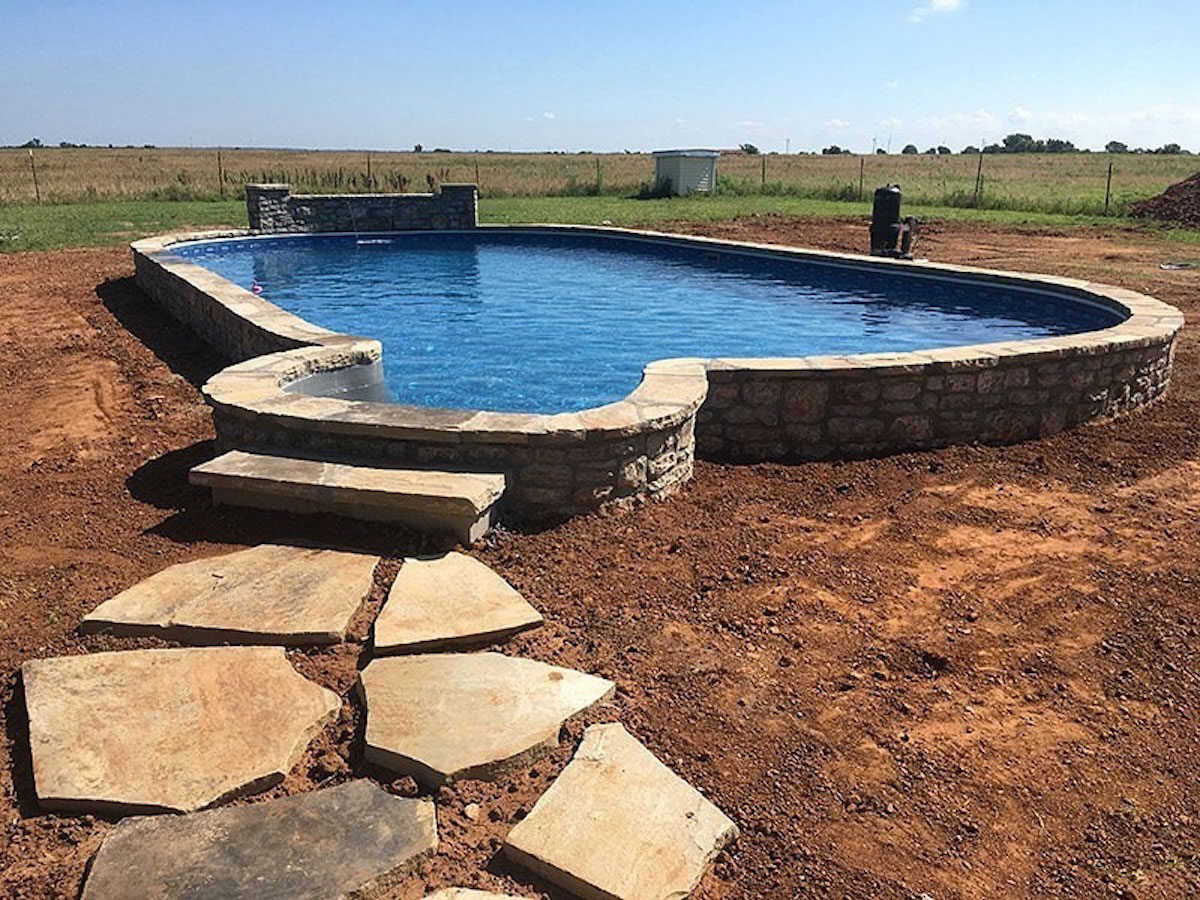
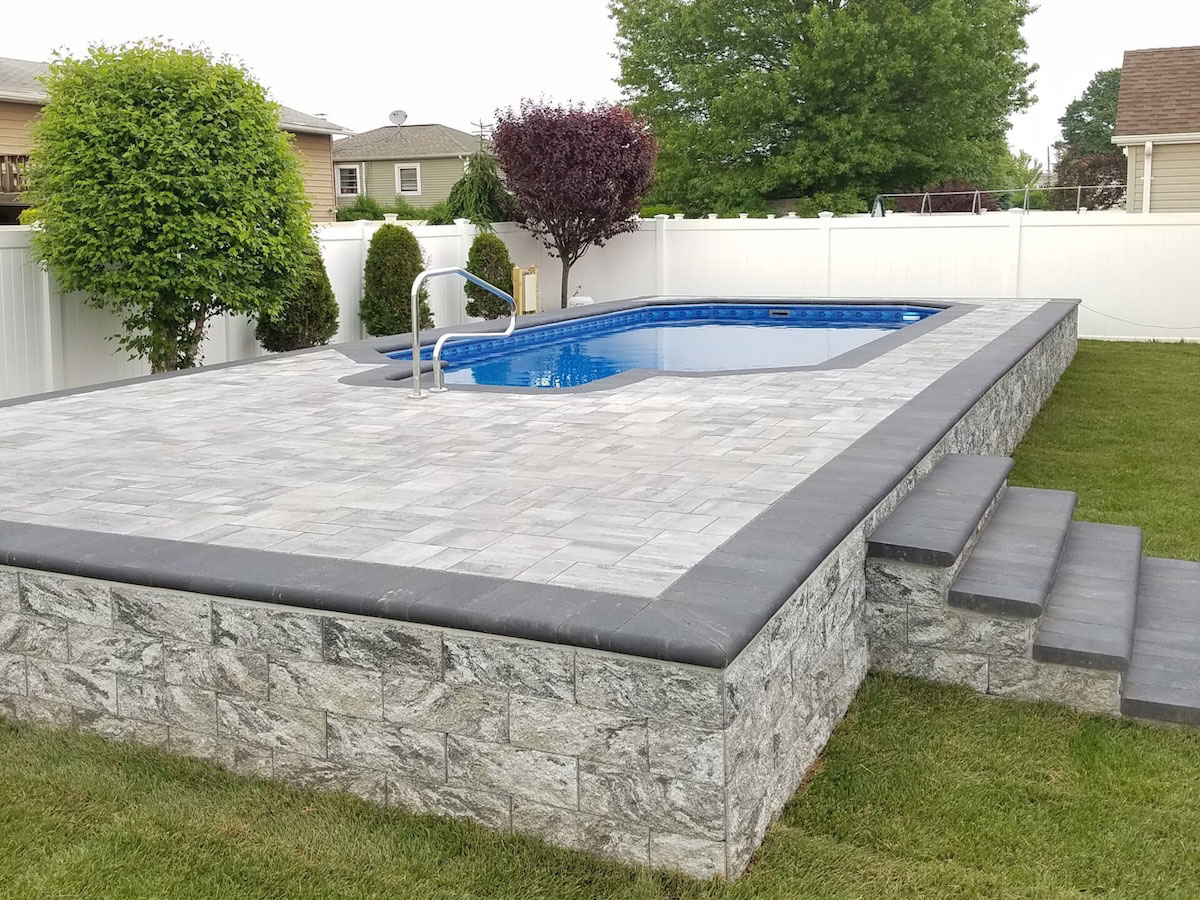
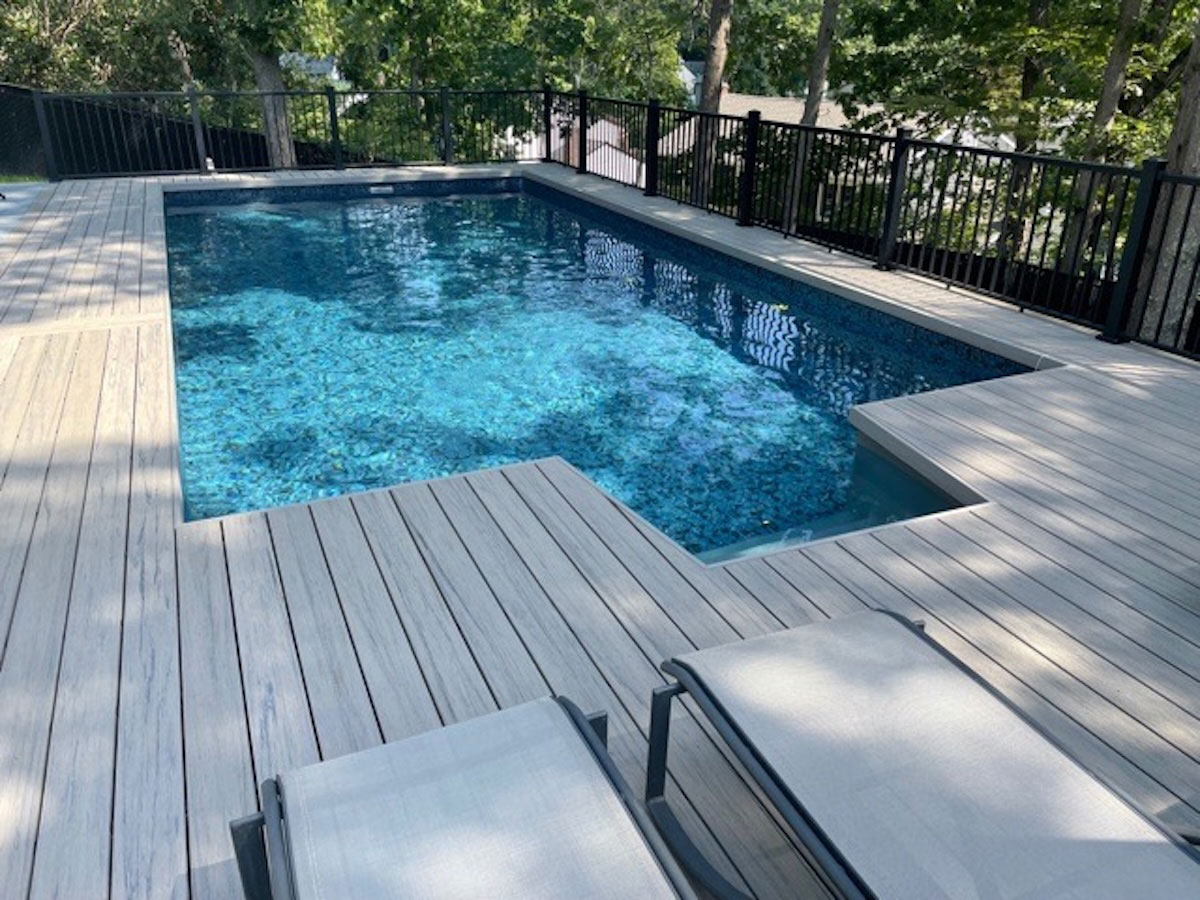
The installation process of a semi-inground pool is relatively straightforward, especially when compared to traditional in-ground pools. The process begins with selecting the right location and ensuring the ground is adequately prepared. Once the site is ready, the pool walls are erected, typically using durable materials like steel or aluminum. The pool is then lined, and the surrounding area is backfilled, providing stability. Depending on your preference, you can enhance the aesthetic by adding decking or landscaping around the pool, creating a seamless integration into your backyard.
Maintaining a semi-inground pool involves regular care, similar to other pool types. Routine tasks include checking the water’s chemical balance, cleaning the pool surface, and ensuring the filtration system functions efficiently. It’s advisable to invest in a quality pool cover to protect your pool from debris and reduce evaporation. Additionally, semi-inground pools may require occasional inspections to check for any structural issues, particularly if they are partially above ground. Regular maintenance not only extends the life of your pool but also ensures a safe and enjoyable swimming environment.



