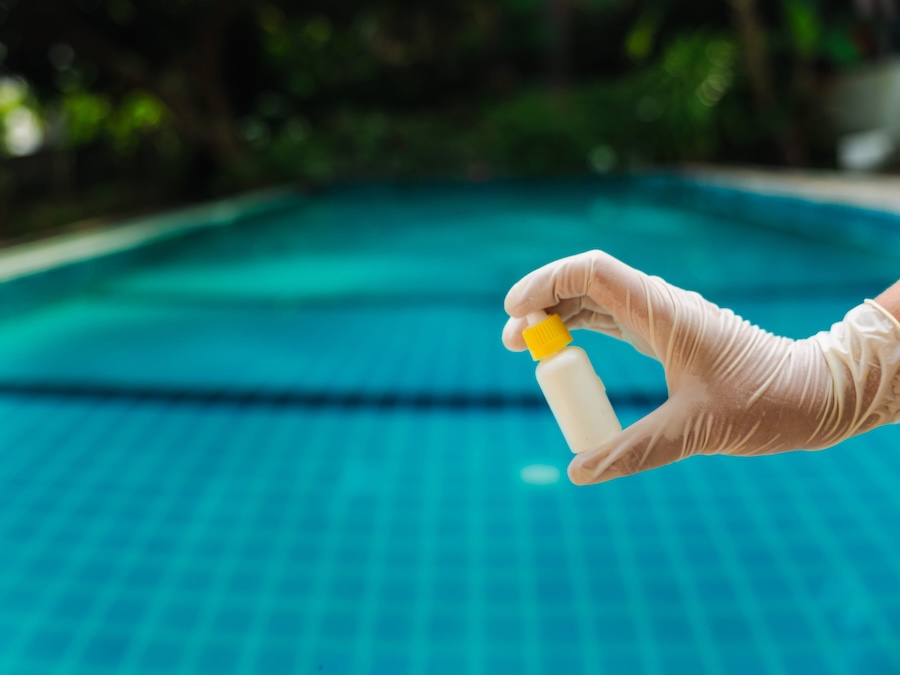
Keeping your pool clean, clear, and comfortable for swimming starts with good water chemistry. These pool water testing tips can help homeowners maintain balanced water all season long, preventing cloudy water, algae growth, and equipment damage. With a simple routine and regular testing, you can protect your pool investment while ensuring your family enjoys safe swimming all summer.
Why Balanced Pool Water Matters
Properly balanced pool water isn’t just about appearance. When your pool’s chemistry is off, several problems can occur. Water that is too acidic can corrode metal parts, damage liners, and irritate swimmers’ eyes and skin. Water that is too alkaline can cause scale buildup, cloudy water, and reduced sanitizer effectiveness.
The key elements of balanced pool chemistry include:
- Chlorine: Keeps water sanitized and free of harmful bacteria.
- pH levels: Ideally between 7.2 and 7.6 for swimmer comfort and sanitizer efficiency.
- Total alkalinity: Helps stabilize pH levels.
- Calcium hardness: Prevents corrosion or scaling in pool surfaces and equipment.
Maintaining these levels helps your pool stay clear, safe, and easier to manage throughout the season.
The Importance of Regular Water Testing
One of the most valuable pool water testing tips is to check your water regularly. Many pool owners rely on quick test strips at home, which can help monitor chlorine and pH levels between professional checks.
However, bringing a water sample to your local pool professional for free water testing provides a much more detailed analysis. Professional testing can identify hidden imbalances and recommend exactly what chemicals your pool needs—saving you time, money, and frustration.
During peak swimming season, testing your pool water at least once per week is ideal. After heavy rain, large pool parties, or extremely hot weather, an additional test may be necessary.
Easy Weekly Pool Maintenance Habits
Consistent habits are the secret to balanced water chemistry. A few simple steps each week can prevent major issues later.
Start by skimming debris and emptying skimmer baskets to keep circulation strong. Run your pump and filtration system daily to help distribute chemicals evenly throughout the pool. Brushing pool walls and steps prevents algae from forming in areas with limited circulation.
Next, test your water and adjust chemicals as needed. Keeping sanitizer levels steady is critical, especially during hot weather when chlorine can dissipate quickly.
Finally, monitor your water level and add fresh water if needed. Proper circulation and dilution help maintain overall balance.
A Little Routine Goes a Long Way
Following these pool water testing tips and developing a weekly maintenance routine can make pool ownership much easier. Regular testing, high-quality balanced chemicals, and consistent cleaning habits will help keep your water sparkling, safe, and ready for swimming all season long.